Furnace Installation vs. Repair: How to Decide What’s Best for Your Home in Loveland
As winter approaches in Loveland, the warmth and reliability of a functioning furnace become a top priority for homeowners. Ensuring that heating systems operate efficiently is not only about comfort but also about safety, energy savings, and protecting the long-term integrity of the home. When a furnace begins to show signs of aging, homeowners face a crucial decision: invest in a repair to restore its performance or replace it entirely with a new installation. Making the right choice can prevent sudden breakdowns during the cold months and avoid escalating costs associated with ongoing repairs. Evaluating the condition of the furnace early allows homeowners to plan effectively and avoid emergency situations that may disrupt daily life. Being proactive also ensures that the home maintains consistent warmth, even during the harshest Colorado winter nights.
The choice between repairing or replacing a furnace depends on multiple factors, including the age of the system, frequency of breakdowns, energy efficiency, and the type of furnace installed. Homeowners in Loveland encounter a range of heating challenges, from fluctuating temperatures to high utility costs, which makes careful evaluation critical. Each heating system has unique performance characteristics, and understanding these nuances can save both time and money in the long run. This guide explores the key considerations, offering actionable insights, expert reasoning, and real-world examples to help determine whether furnace repair or installation is the most effective solution for any home heating scenario. With the right information, homeowners can make decisions that optimize comfort, safety, and efficiency for years to come.
1. Assessing Furnace Age and Lifespan
Average Lifespan of Furnaces
Most traditional furnaces have an expected lifespan of 15 to 20 years, though this can vary depending on usage, maintenance, and quality of components. Gas furnaces tend to last longer than electric units, while high-efficiency models may require more specialized care to maintain performance. Regular maintenance can extend operational life, but aging furnaces often show declining efficiency and increased likelihood of failure. Recognizing the age of a furnace is one of the first steps in deciding between repair and replacement.
Signs of Age-Related Decline
Furnaces approaching the end of their expected lifespan often exhibit recurring problems. Common indicators include inconsistent heating, frequent cycling on and off, unusual noises such as rattling or banging, and noticeable increases in energy bills. While repairs can temporarily address individual issues, older units are prone to further malfunctions. In some cases, continual repairs cost more over time than a new installation, making replacement a more practical and cost-effective choice.
2. Evaluating Repair Costs vs. Replacement Costs
Understanding Repair Expenses
Repair costs depend on the specific issue, ranging from minor fixes like thermostat recalibration or belt replacement to more significant repairs such as heat exchanger replacement. Minor repairs may be cost-effective, especially if the furnace is relatively new, but major repairs can quickly approach the price of a new unit. Homeowners must consider not only the immediate expense but also the likelihood of additional repairs shortly thereafter.
Comparing Replacement Investment
A full furnace installation requires a larger upfront investment, including the cost of the unit, labor, and any necessary modifications to ductwork. However, modern furnaces offer improved energy efficiency, which translates to lower utility bills and reduced maintenance costs. New units often include warranties that cover parts and labor, offering peace of mind. Calculating the long-term financial impact of repair versus replacement is crucial, particularly when recurring repairs are needed.
Cost-Benefit Analysis
One practical approach is the “$5,000 rule,” which suggests that if the cost of repairs exceeds half the price of a new furnace and the unit is over ten years old, replacement is the more sensible choice. This rule provides a useful benchmark, but each situation should be evaluated individually, considering efficiency, reliability, and anticipated lifespan.
3. Energy Efficiency Considerations
Efficiency Ratings and Technology
Older furnaces typically operate at lower efficiency levels, often below 80% Annual Fuel Utilization Efficiency (AFUE). In contrast, newer models can achieve 90–98% AFUE, converting more fuel into usable heat and reducing waste. Replacing an inefficient furnace can significantly decrease energy bills and environmental impact over time. Energy efficiency is not only a cost-saving measure but also a sustainability decision.
Seasonal Energy Impacts
Inefficient furnaces work harder to maintain consistent temperatures, leading to increased wear and higher operating costs. Homeowners may notice fluctuating room temperatures or rooms that are consistently colder than others. Newer high-efficiency furnaces provide more consistent heat distribution, quieter operation, and improved humidity control, enhancing overall indoor comfort.
Long-Term Savings vs. Short-Term Repairs
While a repair might resolve an immediate problem, it does not address fundamental inefficiencies. A replacement furnace often pays for itself through energy savings within several years, especially in regions like Loveland, where winters can be long and cold. Evaluating the trade-off between a one-time repair and ongoing energy expenses is critical for informed decision-making.
4. Frequency and Severity of Repairs
Identifying Recurring Problems
Furnaces that require repeated service calls signal deeper underlying issues. Common problems such as pilot light failure, ignition issues, or faulty burners may recur even after repairs. Tracking the frequency and type of past repairs provides insight into the system’s reliability. A pattern of repeated failures suggests that the furnace is nearing the end of its practical lifespan.
Evaluating Risk of Breakdowns
Frequent breakdowns not only inconvenience homeowners but can also pose safety hazards, including carbon monoxide leaks in gas furnaces or electrical failures in electric units. The risk of system failure during peak winter months can be costly and dangerous. In these cases, replacement may be the safer and more prudent option.
Decision Framework for Repairs
If a furnace has only experienced isolated issues and is otherwise well-maintained, targeted repairs may be sufficient. However, if multiple components are failing or the system shows persistent performance issues, replacement is typically the more reliable and cost-effective long-term solution. Applying a structured approach to evaluate repair versus replacement ensures better outcomes and avoids repeated frustrations.
5. Considering Home Comfort and Safety
Impact on Indoor Comfort
A malfunctioning furnace can compromise indoor comfort by creating uneven heating, poor airflow, or excessive dryness. Repairing isolated components may restore partial functionality, but a new installation often provides superior performance, improved airflow, and better temperature control throughout the home. Modern furnaces offer advanced features such as variable-speed blowers, programmable thermostats, and smart home integration, enhancing comfort and convenience.
Safety Risks
Furnace failures can lead to safety hazards, including gas leaks, carbon monoxide exposure, or electrical issues. Repairs may address immediate dangers, but older units may not meet current safety standards. Replacing a furnace ensures compliance with the latest safety codes and provides updated safeguards, giving homeowners confidence in the system’s reliability.
Longevity and Peace of Mind
Investing in a new furnace not only improves comfort and safety but also provides peace of mind. A reliable, modern system reduces anxiety about sudden breakdowns during cold months and minimizes emergency service calls. For homeowners prioritizing both safety and convenience, replacement often emerges as the more strategic option.
6. Best Practices for Decision-Making
Professional Evaluation
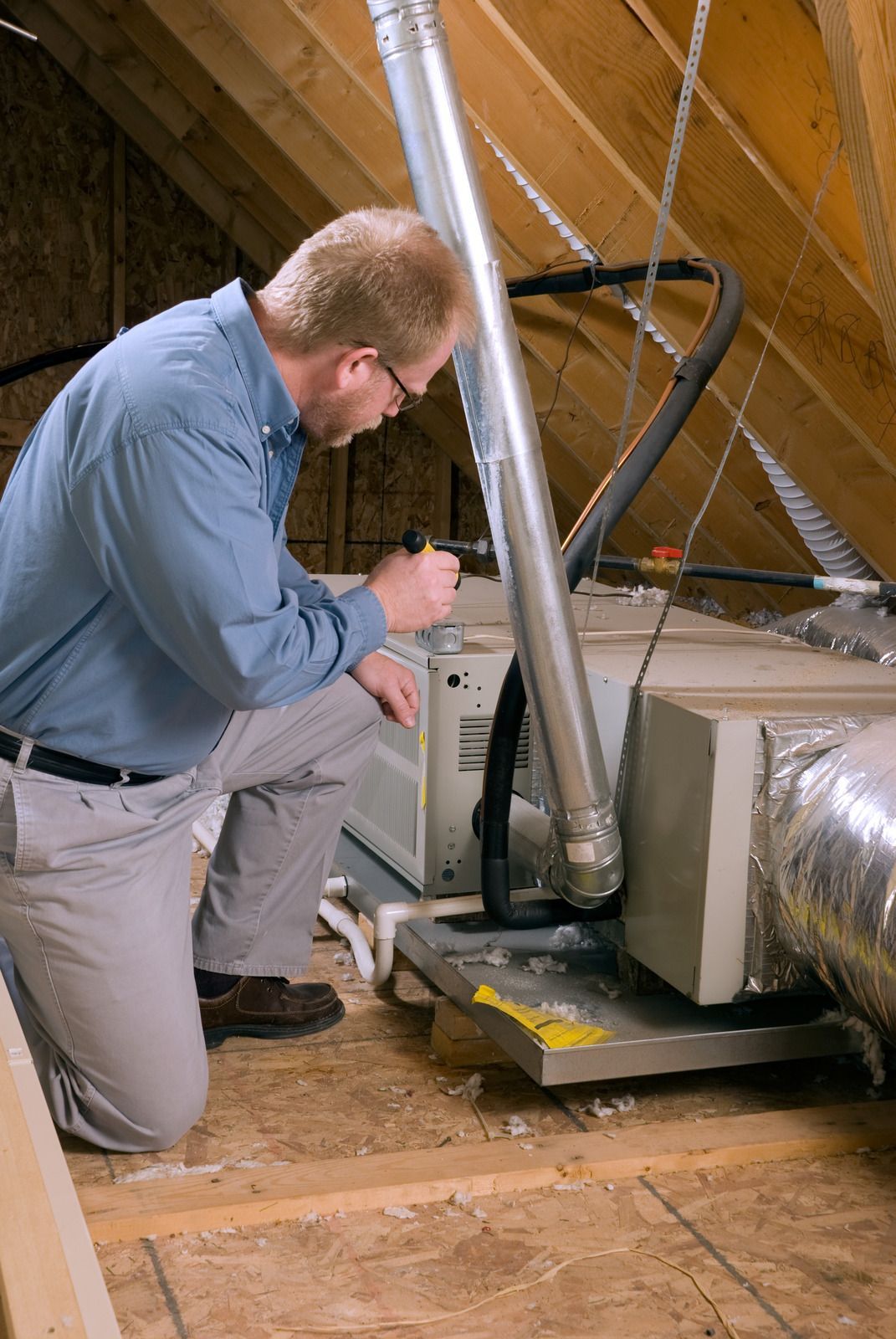
Having a qualified HVAC technician perform a thorough inspection is essential. Professionals can assess the furnace’s age, condition, efficiency, and repair history, providing expert recommendations tailored to the home’s specific needs. A detailed evaluation ensures that decisions are based on accurate information rather than guesswork.
Considering Long-Term Goals
Homeowners should consider future plans when deciding between repair and replacement. If the goal is to improve home energy efficiency, reduce maintenance costs, and increase property value, investing in a new furnace aligns with these objectives. Conversely, if the system is relatively new and repair costs are low, targeted maintenance may suffice.
Maintenance Planning
Regardless of the choice, regular furnace maintenance extends operational life and enhances performance. Annual inspections, cleaning, and timely repairs help prevent breakdowns, maintain efficiency, and protect the investment. A proactive maintenance plan ensures that both new and repaired furnaces function optimally throughout the winter season.
Real-World Scenarios
Consider a Loveland home with a 12-year-old gas furnace experiencing intermittent pilot light issues and rising energy bills. Repairs might temporarily restore operation, but replacement with a high-efficiency model would improve comfort, lower monthly costs, and reduce the likelihood of future service calls. Conversely, a 5-year-old furnace with a minor blower motor issue can be repaired cost-effectively, providing several more years of reliable performance.
Professional Furnace Services Designed for Every Home
Deciding whether to repair or replace a furnace requires careful evaluation of age, efficiency, repair history, safety, and long-term goals. Older units with frequent problems, rising energy bills, or declining performance typically benefit more from replacement, while newer systems with isolated issues may be efficiently repaired. Considering both financial and practical factors ensures that homes remain comfortable, safe, and energy-efficient during the cold Colorado winters.
For homeowners seeking expert guidance, Buckhorn Heating & Air Conditioning
delivers 15+ years of trusted HVAC service in Loveland, Colorado. Our experience in both
furnace repair and installation allows us to provide clear, reliable recommendations tailored to every home’s specific heating needs. By combining industry knowledge, state-of-the-art equipment, and a commitment to long-term performance, we ensure homes stay warm, efficient, and safe. Choosing our services guarantees professional support, precise workmanship, and peace of mind, making the decision between furnace repair and installation straightforward and confident.