AC Not Cooling in a Dry Climate? What's Going On
Quick Answer: An air conditioner that runs but doesn't cool is almost always tied to one of five things: a clogged air filter, dirty condenser or evaporator coils, low refrigerant from a leak, a frozen evaporator coil, or a thermostat set or wired incorrectly. Dry, dusty air speeds up the first two causes and hides some of the warning signs homeowners in more humid regions rely on, so problems that would announce themselves elsewhere can sit unnoticed for weeks. Start with the filter and a visual check of both coils, then call a technician if you see ice on the lines or the system still won't cool after those basics check out.
Your thermostat reads 74 degrees. The system has been running for twenty minutes straight, and air is still coming out of the vents. But it doesn't feel cold, and the house isn't dropping toward your setpoint. A running system that isn't actually cooling is one of the most common calls an HVAC technician gets. In a dry climate, it catches people off guard, because the usual clues just aren't there.
Why Dry Air Hides the Warning Signs
A struggling air conditioner in a humid region tends to announce itself early. Rooms feel sticky. Windows fog up. That clammy, poor-cooling feeling shows up long before the temperature itself starts climbing. Dry air strips away that early warning system almost entirely.
Sweat evaporates before you notice the heat. Low humidity makes 78 degrees feel tolerable in a way it never would somewhere humid. A system losing capacity can limp along for weeks before anyone realizes the house isn't actually hitting its setpoint.
Dust builds up faster than the filter schedule assumes, too. Manufacturer guidance is usually written for a national average, not a region with loose topsoil, gravel roads, and wind that kicks dust into the air for days at a stretch. A filter that lasts 60 to 90 days in a humid coastal city can look visibly gray in half that time here.
And the swings don't help. A 40-degree gap between a hot afternoon and a cool evening pushes the compressor through very different loads within the same 24 hours. That kind of stress exposes a marginal capacitor or a slightly low refrigerant charge faster than a climate with flatter daily temperatures ever would.
The Most Common Reasons an AC Runs but Doesn't Cool
Most "not cooling" calls trace back to a short list of causes. Work through them cheapest and easiest first, and you'll resolve the majority of cases before a technician ever needs to show up.
Clogged Air Filter
A dirty filter restricts airflow across the evaporator coil, and restricted airflow is the single most common reason a system runs constantly without cooling. Hold the filter up to a light. If you can't see light through it clearly, replace it.
Dirty Condenser Coil
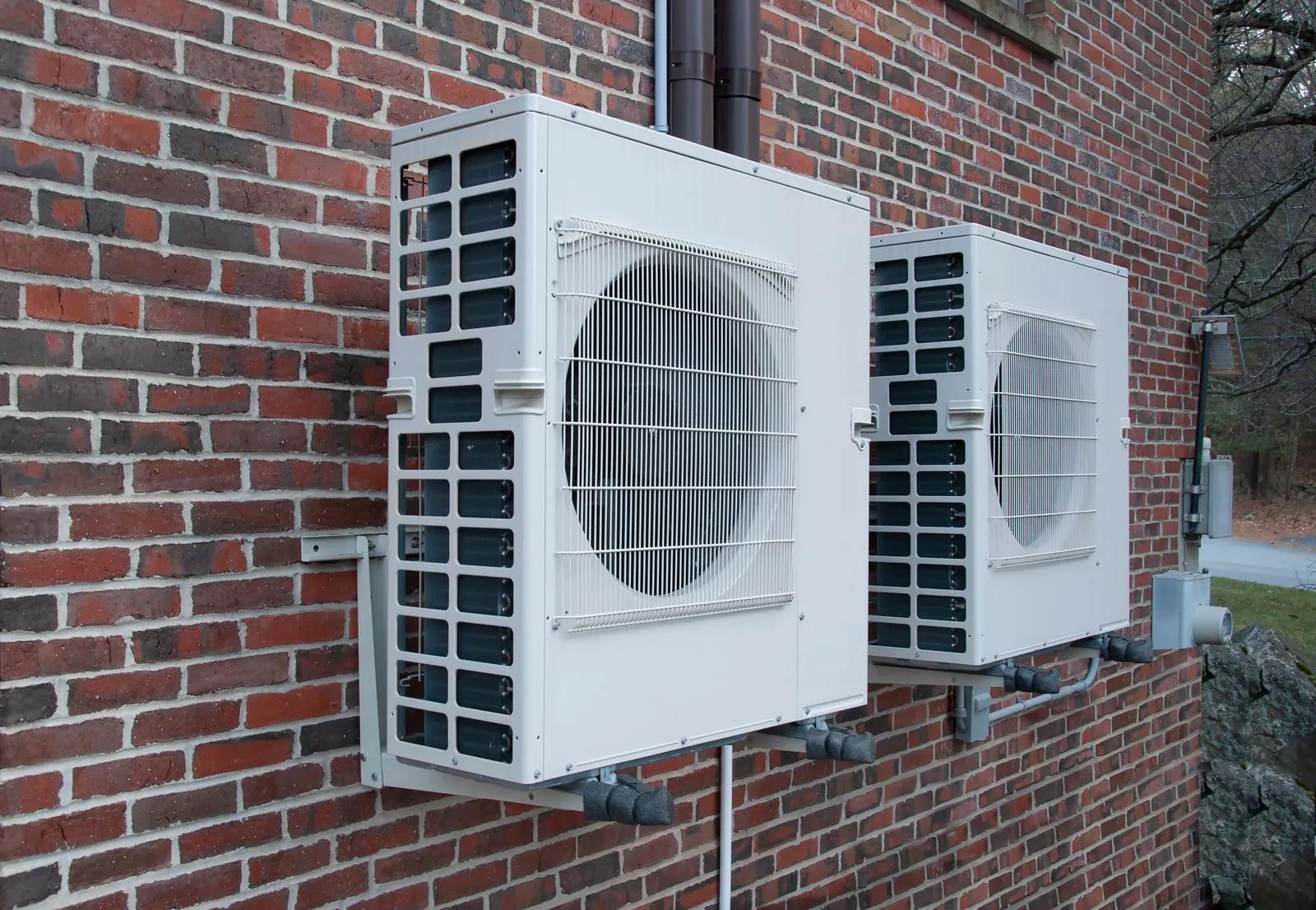
The outdoor unit has to reject the heat your system pulls out of the house. Coat that coil in cottonwood fluff, grass clippings, or dust, and it can't release heat efficiently. Cooling capacity drops even though every component is otherwise working fine.
Low refrigerant charge is a different animal. Refrigerant runs in a sealed loop and doesn't get used up under normal operation, so a low level means there's a leak somewhere in the system. This isn't a DIY fix — refrigerant handling requires EPA certification, and adding more without finding and repairing the leak just wastes money while the problem keeps coming back.
Frozen Evaporator Coil
Restricted airflow, a dirty coil, or low refrigerant can all cause the indoor coil to ice over. Once it does, the coil can't absorb heat from the air moving across it anymore. Warm air keeps coming out of the vents even though the outdoor unit sounds like it's running just fine.
Thermostat Set Or Wired Incorrectly
Fan set to "On" instead of "Auto," a mode accidentally bumped to heat, dead batteries, a miscalibrated sensor — any of these can mimic a mechanical failure. Worth ruling out first. It costs nothing to check.
Then there's the system itself. A unit that was marginal at installation, or one that's simply lost capacity with age, may run nonstop through the hottest part of the afternoon without ever catching up. Correct sizing follows the ACCA Manual J load calculation standard, which accounts for square footage, insulation, window area, and local climate. Skip that calculation at installation, and the system may never perform as expected no matter how well you maintain it.
TIP: Before assuming the worst, run a simple temperature check. Set the thermostat five degrees below room temperature, let the system run for fifteen minutes, then compare the air coming out of a supply vent to the air going into a return vent. A properly functioning system will show roughly a 15-20 degree difference between the two. A smaller gap points toward the airflow or refrigerant issues above rather than a total system failure.
Where the Dry Climate Specifically Comes In
The mechanics of a struggling air conditioner are the same everywhere. What changes here is which causes show up most often, and how fast they develop.
Dust load on coils and filters tops the list. Both the filter and the outdoor condenser coil collect airborne particulate faster in dry, windy conditions than they would somewhere with less loose soil in the air. A maintenance interval built for a filter manufacturer's national average often needs to be cut short in this kind of climate.
Elevation plays a smaller, quieter role. Thinner air at higher elevation carries a little less mass per cubic foot, which can affect how efficiently a condenser coil sheds heat compared to sea level. It's nowhere near as big a factor as a dirty coil or low refrigerant — but it's part of why local load calculations and equipment selection matter more than pulling numbers off a generic sizing chart.
Confusion with evaporative cooling expectations trips up a lot of homeowners. Anyone who's used a swamp cooler, or moved from a home that had one, sometimes expects central air to work the same way — cooling harder as humidity drops. It doesn't. Central air removes heat through a refrigeration cycle, not evaporation, so its performance doesn't scale with dryness the way an evaporative cooler's does. A system that "should" feel more effective on a dry day but doesn't isn't behaving normally for the climate. It's underperforming.
Wide daily swings expose marginal components before anything else does. A capacitor or contactor close to failing might hold on through a mild, steady load, then fail during the hardest afternoon cycle right after a cool morning. That's part of why symptoms in this kind of climate seem to show up suddenly on the hottest days of the year, even though the underlying wear has been building for months.
WARNING: If you see visible ice on the indoor coil or the refrigerant line, turn the system off at the thermostat immediately and do not run it again until the ice has fully melted. Continuing to run a frozen system can push liquid refrigerant into the compressor, which is one of the more expensive components to repair or replace.
DIY Checks vs. When to Call a Pro
Homeowners can safely handle a short list of checks before deciding whether a technician visit is needed.
Safe to check yourself: filter condition, thermostat mode and battery status, vent obstructions inside the home, and visible debris around the outdoor unit. Clearing leaves, grass clippings, or fluff away from the condenser and confirming nothing blocks airflow to it takes a few minutes, tops.
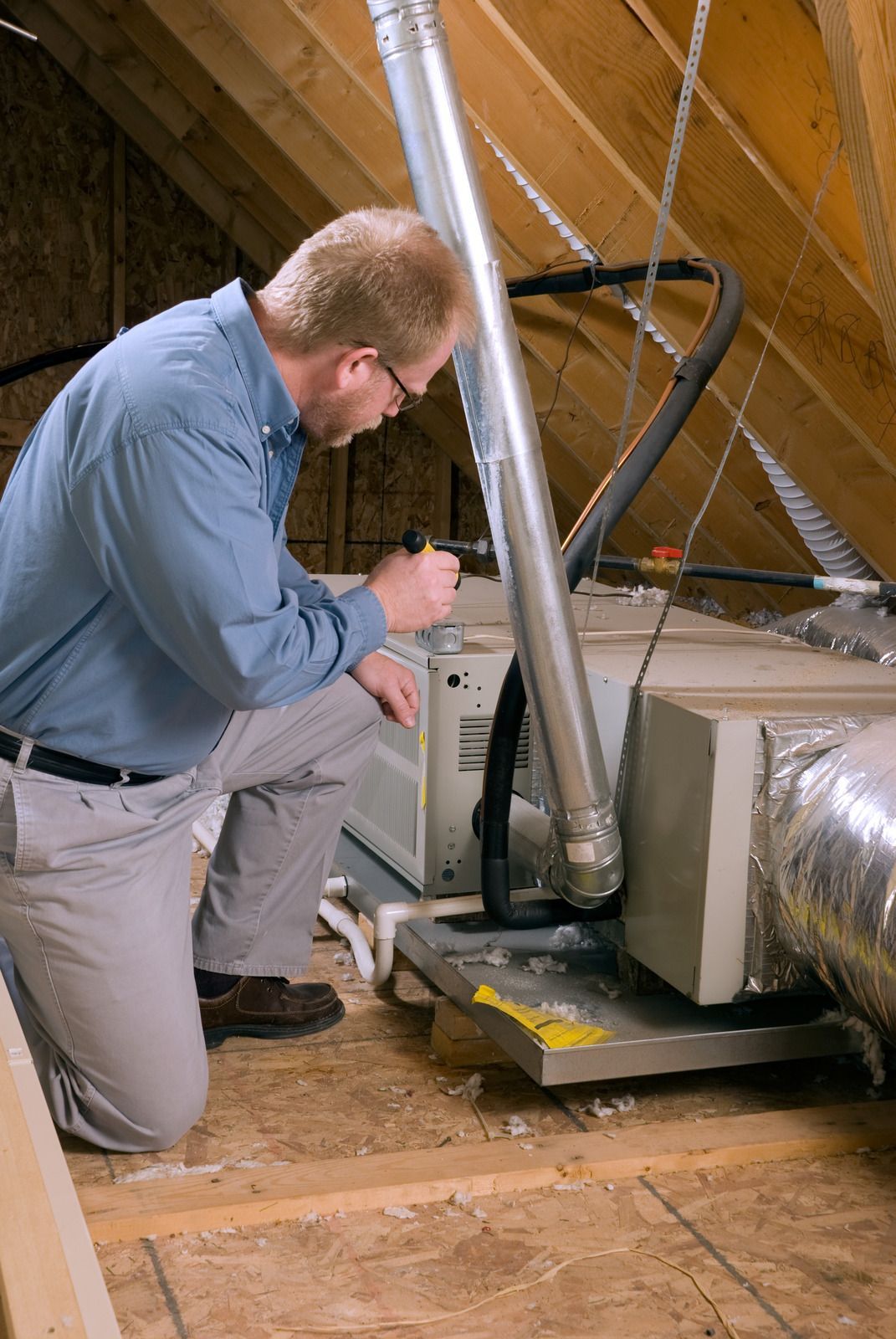
Call a professional for anything involving refrigerant or electrical components inside the outdoor disconnect or indoor air handler. Same goes for a coil that keeps freezing after you've already addressed the filter, or a system that's still not cooling once the basic checks above come up clean. A technician can measure static pressure, verify refrigerant charge against manufacturer specifications, and check electrical components under load. None of that is safe or practical to try yourself.
Frequently Asked Questions
Why does my AC blow air but it isn't cold?
This almost always points to restricted airflow, a dirty coil, or low refrigerant. Air is still moving through the ducts, but it isn't being cooled effectively as it passes over the evaporator coil — because the coil is dirty, iced over, or not getting enough refrigerant to absorb heat properly.
How often should I change my air filter in a dry climate?
Many manufacturers recommend every 60-90 days, but that guidance assumes average dust conditions. Somewhere with loose soil, gravel roads, or frequent wind events, checking the filter monthly and replacing it as soon as it looks gray or clogged beats following the manufacturer's default interval.
Can I just add refrigerant myself if my AC isn't cooling?
No. Refrigerant runs in a closed loop and doesn't lose charge under normal operation, so a low level means there's a leak. Handling it also requires EPA certification under federal law. Topping it off without finding and repairing the leak is a short-term patch, and the underlying problem doesn't go anywhere.
Why does my AC seem to work fine some days and not others?
Wide swings between a cool morning and a hot afternoon put very different loads on the system within the same day. A marginal component — a weak capacitor, say, or a slightly low refrigerant charge — might hold up fine during milder conditions and only show symptoms once the system gets pushed hardest during peak afternoon heat.
Is a frozen evaporator coil an emergency?
Not in the sense of immediate danger, but it does need prompt attention. Turn the system off and let the ice fully melt before running it again. Keep operating a frozen system and you risk pushing liquid refrigerant into the compressor, which can turn an inexpensive repair into a much larger one.
Does high elevation affect how well my AC cools?
A little. It plays a small role in how efficiently the outdoor unit rejects heat, since air is slightly less dense at higher elevation. That's a minor factor next to a dirty coil, restricted airflow, or low refrigerant — but it's one more reason equipment sizing and setup should account for local conditions instead of a generic, sea-level calculation.
What Persistent Cooling Problems Can Tell You
When an AC keeps running without bringing the temperature down, the issue is often something simple at first: restricted airflow, accumulated dust, a dirty coil, or an incorrect thermostat setting. Dry conditions can make these problems develop faster while making the warning signs less obvious. Checking the basics early can help prevent a small airflow or maintenance issue from becoming a larger strain on the system during the hottest part of the season.
For homeowners in Loveland, CO, local climate conditions make regular attention to filters, coils, and overall system performance especially important. Buckhorn Heating & Air Conditioningwith 15+ years of experience, understands how dust, temperature swings, and prolonged summer operation can affect cooling equipment across Northern Colorado. Knowing what normal cooling performance looks like makes it easier to recognize when a system is struggling and needs closer attention.