Maintaining Your Heat Pump: Tips for Loveland Homeowners to Extend Lifespan and Efficiency
It is the coldest morning of the year, you wake up, and the air drifting from your vents feels lukewarm at best. The outdoor unit is humming, maybe crusted with frost, and you are standing in the kitchen wondering whether something just broke. Most of the time, nothing broke. Your heat pump is simply struggling against weeks of skipped upkeep, a clogged filter, and a unit that has not been cleared in months.
Here is what matters right away: heat pumps rarely fail out of nowhere. They wear down slowly from small things you can control. A clean filter, a clear outdoor coil, and one professional check each year do more to extend the life of your system than any single repair ever will. Good heat pump maintenance is not complicated. It just has to be consistent, because around here a heat pump works both summer and winter and never really gets an off season.
Why Your Heat Pump Works Harder Than You Think
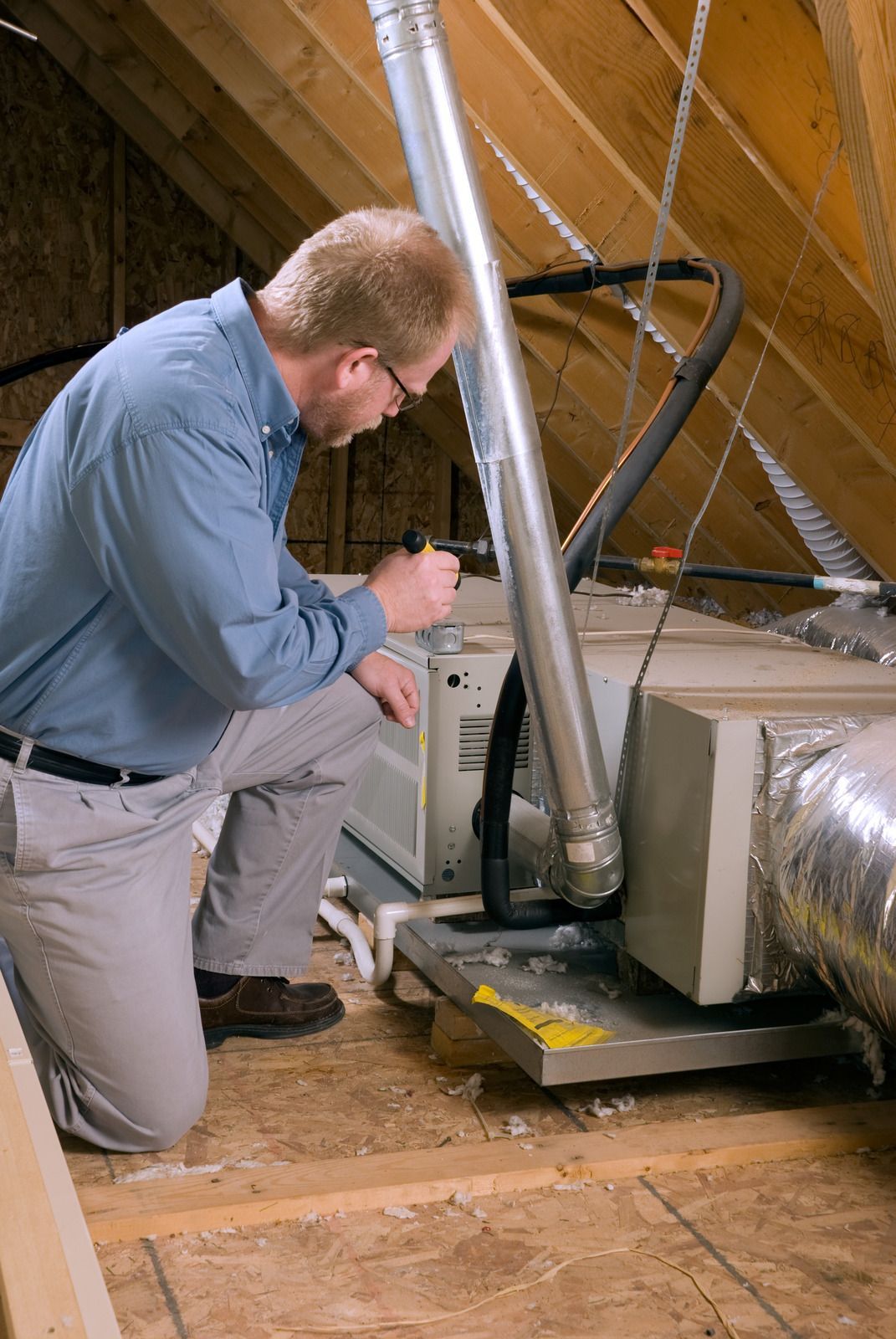
Unlike a furnace that rests half the year, your heat pump carries the load in every season. In summer it pulls heat out of your home. In winter it reverses and pulls heat in from cold outdoor air, even when that air feels frigid to you. That single system runs close to year round, which means it racks up far more run hours than a separate furnace and air conditioner ever would. That alone is why we recommend a full service at least once a year.
Our dry climate adds its own strain. Fine grit, road dust, and cottonwood fluff drift into the outdoor coil and pack the fins. Wide temperature swings between a sunny afternoon and a freezing night force the metal to expand and contract over and over. Add hard water on the indoor side and you have a system that ages faster than the same unit would in a milder, wetter place. None of this is a defect. It just means the upkeep a homeowner two states away can skip is upkeep you cannot.
The Maintenance That Actually Adds Years
The filter does more damage when ignored than any other single part. A clogged filter starves the system for airflow, which makes the indoor coil run cold enough to ice over and forces the compressor to work against a wall of resistance. Check yours every month during heavy heating or cooling, and swap it every 1 to 3 months depending on pets and dust. A clean filter alone protects both efficiency and the compressor, which is the most expensive part to lose.
Outside, give the unit room to breathe. Keep at least 2 feet of clear space on all sides and pull weeds, leaves, and tall grass away from the base. Once a year, with the power off, rinse the outdoor coil gently with a garden hose from the inside out to clear packed dust. On the indoor side, keep supply and return vents open and free of furniture or rugs so air moves the way the system was built to move it.
TIP: Set a reminder to look at your filter the first of every month. Hold it up to a light. If you cannot see light through it, replace it before it chokes airflow and frosts the coil.
Cold Weather Care Your System Depends On
In freezing weather your heat pump runs a defrost cycle, briefly switching to cooling mode to melt frost off the outdoor coil. A light layer of frost during this cycle is normal. A unit fully encased in ice is not. Heavy ice usually points to a stuck defrost control, low refrigerant, or airflow that has been choked off for weeks.
Keep the area around the outdoor unit clear of snow and ice through the season. Shovel a path around it after every storm, and make sure dripping gutters or roof runoff are not pouring onto the top. If the unit sits low to the ground, raising it on a stand keeps the coil above drifting snow and standing meltwater. These small steps matter most on the mornings when temperatures sit well below freezing and your system is already working at its limit.
WARNING: Never chip ice off the coil with a screwdriver, scraper, or any sharp tool, and never pour boiling water over the unit. The coil holds pressurized refrigerant under a thin layer of metal. One puncture releases that refrigerant, ruins the coil, and can injure you. If the unit is iced solid, shut it off and call us.
Signs It Is Time to Stop and Get Help
Some changes are worth watching, and a few mean you should stop running the system and call. A faint rise in your bill or slightly longer run times usually points to a dirty filter or coil you can handle yourself. A hard pattern is different. Warm air on heat mode, loud grinding or screeching, a breaker that keeps tripping, or a burning smell all signal something past routine upkeep.
Short cycling, where the system kicks on and off every few minutes, wears the compressor down fast and almost always needs a trained eye. Same with a unit that freezes over again within a day of being thawed. On service calls we see homeowners run a struggling heat pump for weeks hoping it sorts itself out, and that patience is what turns a small fix into a failed compressor.
Mistakes That Quietly Shorten Its Life
The most common mistake we find is skipping the filter for a whole season. It happens for an understandable reason. The system keeps running, so nothing feels wrong, until airflow drops far enough to ice the coil and strain the compressor. Checking monthly prevents the whole chain.
Cranking the thermostat way up on a cold morning is another one. A heat pump heats steadily and gently, not in a sudden blast, so jumping the setting ten degrees just triggers the backup heat strips, which burn far more energy. Nudge the temperature a few degrees at a time instead. The last mistake is boxing in the outdoor unit to shield it from snow. Wrapping it traps moisture, invites rust, and blocks the airflow the unit needs even in winter. Leave the top and sides open and clear.
Frequently Asked Questions
How often should a heat pump be serviced?
Once a year at minimum, ideally one check before heating season and yet another before cooling season. Because your heat pump runs all year long, a single annual visit catches worn parts, low refrigerant, and dirty coils before they grow into a major breakdown that leaves you without heat overnight.
Why is my heat pump freezing up in winter?
A thin layer of frost is normal during the defrost cycle, when the system melts ice off the outdoor coil. Solid ice usually means a clogged filter, a stuck defrost control, or low refrigerant. Shut the system off, let it thaw, replace the filter, and if ice returns, call us.
Can I clean the outdoor coil myself?
Yes. Turn the power off at the disconnect first, then clear leaves and debris by hand, then rinse the coil gently with a garden hose from the inside out. Skip pressure washers and stiff brushes, which bend the thin fins and choke the airflow your system depends on every season.
How long does a heat pump last?
With steady upkeep, most heat pumps run 10 to 15 years here, and sometimes longer with careful attention. Skipped filters, a buried outdoor unit, and ignored ice are what cut that short. Consistent maintenance is by far the biggest factor in reaching the high end of that range and beyond.
Does our dry, cold climate affect my heat pump?
Yes. Dry air loads coils with fine dust, and the sharp freeze and thaw swings stress the metal and defrost system harder than in milder regions. That means more frequent coil cleaning and closer winter attention than most homeowners expect, especially through the long stretch of freezing mornings we get.
Reliable Heat Pump Service Through Every Cold Season
The core idea is simple. Heat pumps fail slowly from small things you can manage, so steady upkeep beats any single repair for keeping your system efficient and alive for years. That matters more around here, where one system carries both the freezing winters and the hot, dusty summers without a break, aging faster than it would almost anywhere milder.
When you want a trained eye on yours, we are here for it. ABuckhorn Heating & Air Conditioning, we have spent 15
years keeping heat pumps running across Loveland, Colorado. Schedule your seasonal heat pump maintenance with us before the next cold snap, and we will have your system ready for whatever the season brings.